Top 10 mistakes first-time home buyers make
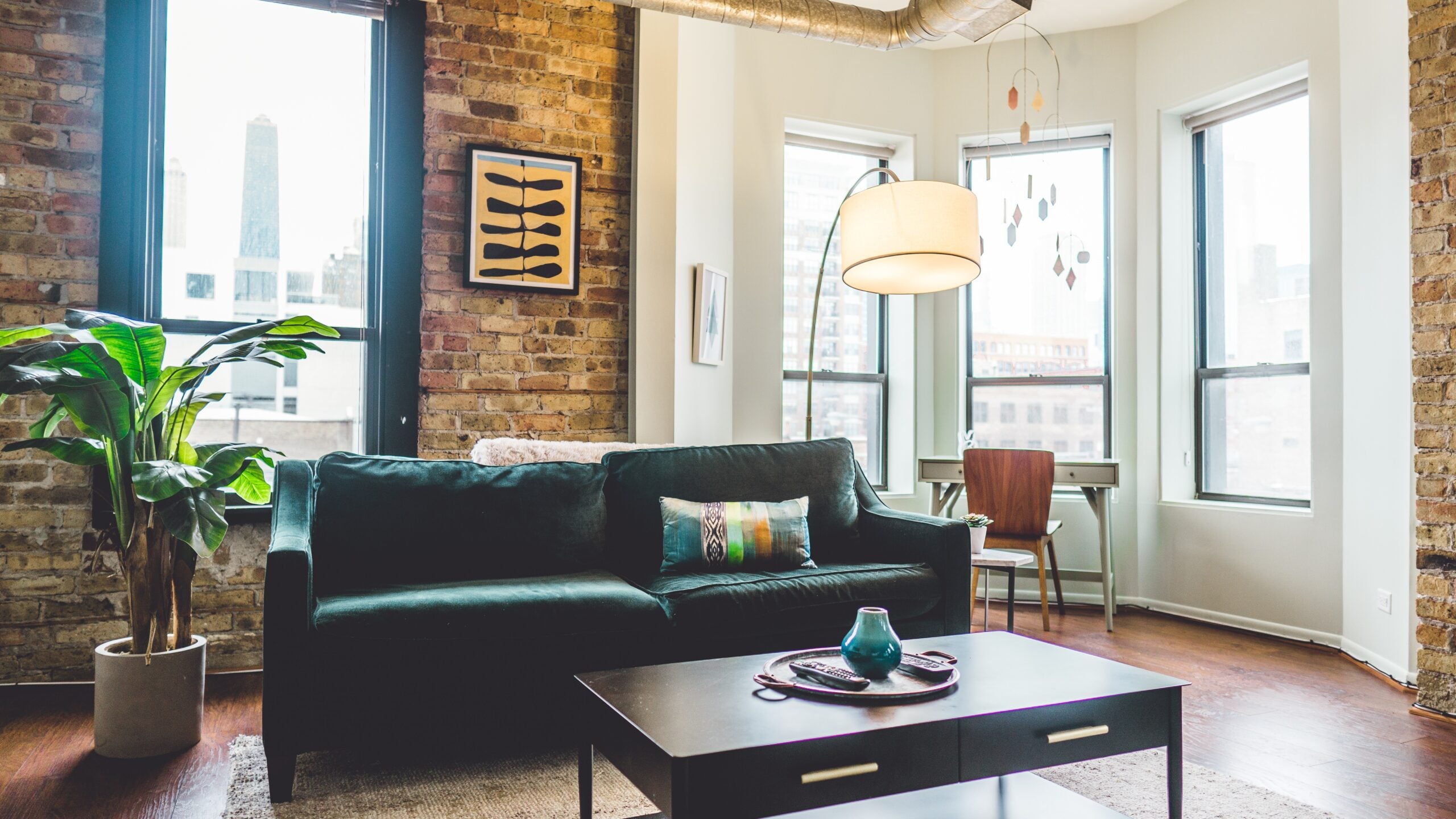
To avoid this, consider working with an agent who will take you on one night and your partner another night, or plan to have one parent visit while the other entertains the child in the yard. Of course, you could hire a babysitter or ask a family member to watch the kids for a few hours. Good, attentive agents will gladly step in to help with kids, especially for clients who are a single parent. You should be able to take your time and concentrate—paying attention to the most expensive purchase you’ll ever make.
3. You trust the floor plan
Most people, including me, would assume that if a listing states a room is 12-feet by 10-feet, that those are the measurements. But more often than not, the dimensions are a little off. It’s not that the seller or their agent is intentionally trying to deceive—errors can be introduced in a number of ways.
For example, I’ve seen measurements copied number for number from building plans—without accounting for the last-minute changes the builder had to make to accommodate issues behind the wall. I’ve seen agents enter imperial measurements using a metric setting. Next thing you know, the room is a lot smaller or larger than you thought.
It’s a lesson Ken Grunber, who works at a video production house in Toronto, learned after he bought his condo in 2007. Despite being advertised as a 700-square-foot, one bedroom plus den, Grunber was shocked to find out his condo actually measured 560 square feet. (First-time home buyer tip: Bathrooms or outdoor space do not count as part of the square footage.) For those looking at newer-build condos, be warned: It’s not unusual for condo sales staff to include balcony or terrace measurements as part of the total square footage. Regardless of how it happens, the best way to avoid later surprises is to actually measure the rooms yourself.
4. You don’t investigate the neighbourhood
Do you know someone who moved into a fabulous home only to discover they hated the area? That’s exactly what happened to Mikala and Thomas Hees (we’ve changed their names to protect their privacy). After buying a beautiful bungalow in Toronto’s Danforth Village, the couple realized how much they missed downtown. “We soon realized we missed the hustle and bustle of downtown living and dreaded the half-hour transit ride,” says Mikala.
The many people who moved out of the city into smaller towns during the pandemic may soon find themselves in a similar position (some are even staying put or moving back). Even before the pandemic, more than a third of Canadians felt their commute was too long, according to a 2019 survey. And more people favouring cars over public transportation could mean even longer-than-normal commutes in the future. What happens then?
To avoid similar regrets, make sure you investigate the neighbourhood thoroughly before buying. Check out the local commercial area, talk to neighbours about schools and community centres and walk around to find daycares, coffee shops and the closest take-out grub (you know you’ll need it). Also, keep an eye out for tell-tale signs of residents. If you’ve got a family, look for kids’ toys swing sets on lawns, for example. Chances are the more you connect with your neighbours, the more you’ll love living in your home. Also, check the MoneySense annual feature: Where to buy real estate in Canada.
5. You don’t ask for comparables
I can’t imagine a single real estate agent that wouldn’t give a potential buyer a list of comparables—that is, a list of homes that have sold recently in the neighbourhood or area you’re considering. However, not all agents are totally forthcoming with information.